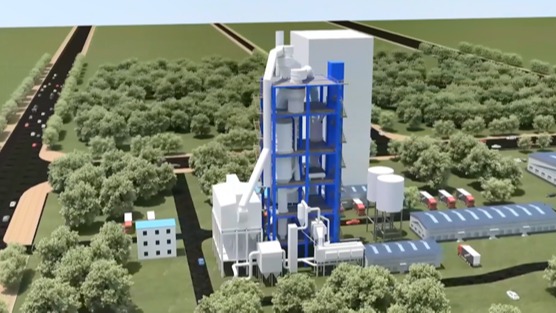
The iron metal recovery rate of the original beneficiation plant was approximately 73.76%, with an iron concentrate grade of 51.86%. In particular, the high-intensity magnetic separation recovery rate of fine iron ore was only 62.8%, and the iron grade of its concentrate was merely 43%–44%. The tailings grade was as high as 22%, resulting in severe metal loss.
Due to the poor quality of iron concentrate, the blast furnace faced issues such as low feed grade, high coke ratio, and difficulty in alkalinity balance. Additionally, the proportion of sinter ore charged into the furnace was severely restricted.
The project significantly improved the output and quality of self-produced iron concentrate. After the implementation of the Phase I project:
-
The total concentrate output of the plant reached 5.1897 million tons/year;
-
The concentrate grade reached 54.29%;
-
The iron metal content amounted to 2.8175 million tons/year;
-
The project could produce 2.9878 million tons/year of molten iron, accounting for 47.43% of the total pig iron output—an increase of 4.12 percentage points compared with the pre-renovation period.
In the subsequent stage, the iron metal content reached 3.4558 million tons, accounting for 58.14% of the total pig iron output, which was a 14.83 percentage point increase from the pre-renovation level.
The higher proportion of self-produced concentrate metal content plays a significant role in reducing ironmaking costs, ensuring self-sufficiency rate, and enhancing the enterprise’s core competitiveness.